About GFC
A Zambian community-based NGO established in 2005, working in public health, human rights, food security, education support and environmental management.
Our story
GFC was registered with the Registrar of Societies in May 2005 (ORS/102/46/262) and migrated to the NGO board in 2012 (RNGO 101/0130/13). We undertake community mobilization for action, service delivery and capacity building — mostly for community structures in rural Zambia and selected urban areas. Our approach applies the human rights-based approach (HRBA) and promotes inclusiveness for children and youths with disabilities in all programming.
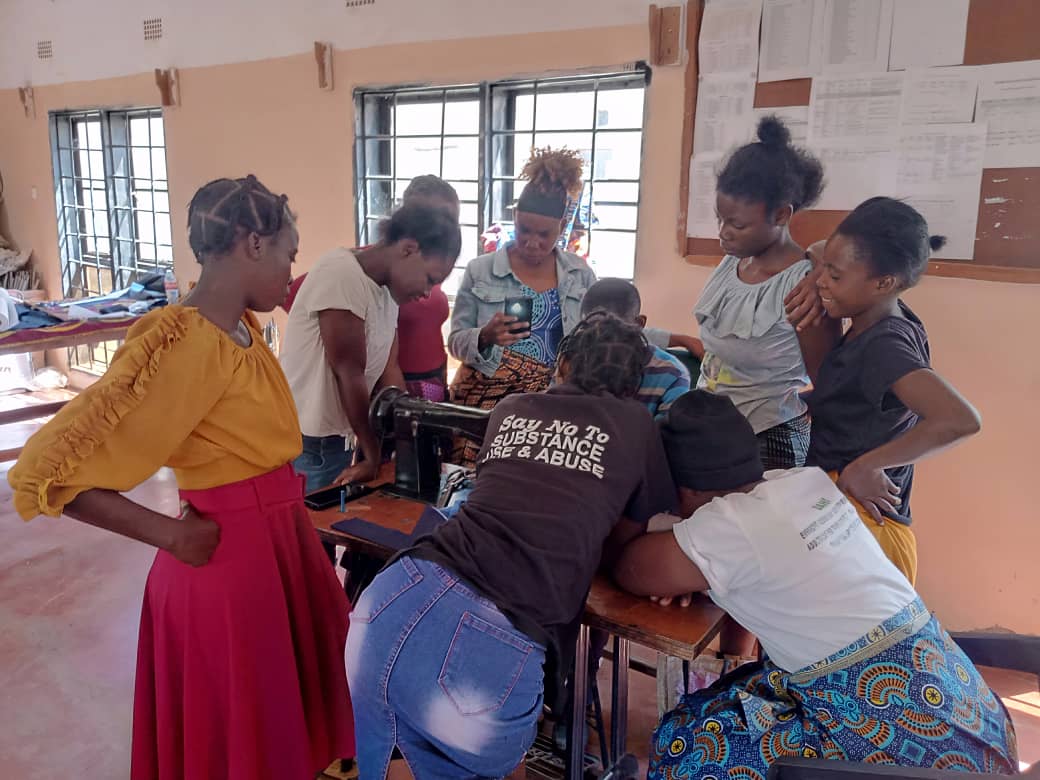
What drives GFC's work across Zambia.
Vision
Zambian communities free from poor health, human rights abuse and negative environmental impacts.
Mission
Engage rural communities in Zambia in public health, human rights, economy and environmental management sustainably.
Objective — health access
Contribute to increased accessibility and uptake of public health services: reproductive health rights for young people, HIV testing services, and malaria prevention and elimination for children and pregnant women.
Objective — capacity building
Strengthen capacity building, information and knowledge sharing, gender and behaviour change among target groups in rural Zambia.
Target groups
GFC works with children, women, youths (including children and youths with disabilities) and pregnant mothers, applying a disability-inclusive approach across every programme.
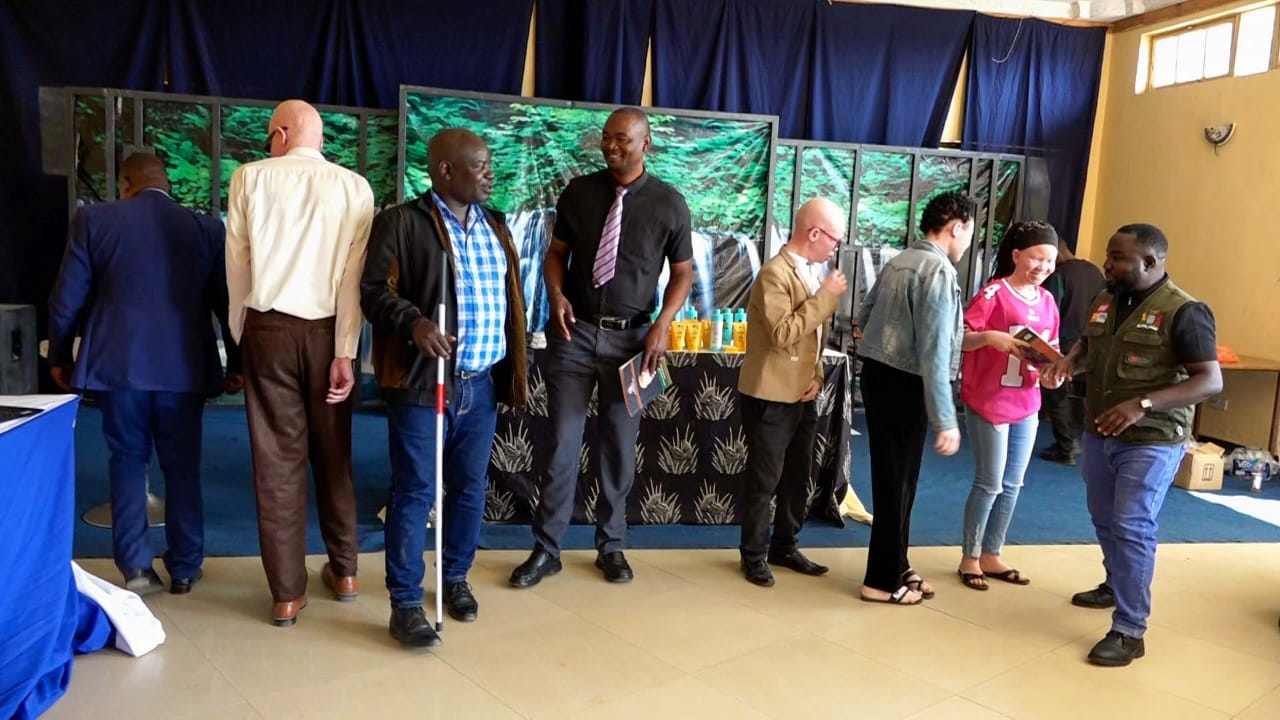
The principles that have guided GFC from inception.
Best interest of the child & youth
Every intervention prioritises the wellbeing of children and young people.
Non-discrimination
Equal access and inclusion for all, regardless of ability, gender or background.
Empowerment & partnership
Working with — not for — communities, duty bearers and partners.
Prevention & protection
Building capacity to prevent harm and protect the vulnerable.
Accountability & equity
Transparent programming that reaches those most in need.
People-centred approach
Popular participatory methods that put communities at the centre of change.
Our multidisciplinary team combines field experience with technical expertise across programme areas.
Strategic planning & mentorship
Guiding organisations and community structures through planning, capacity building and mentorship.
Monitoring & evaluation
Rigorous M&E across public health, rights and livelihood programmes.
Community engagement
Mobilization and capacity building using popular participatory methods.
SRHR & community health
Training of trainers in sexual reproductive health and community health planning.
Financial management
Sound stewardship of donor funds across multi-year projects.
Research & climate adaptation
Research, livelihood and climate change adaptation programming.
Our journey
2005
Registered with the Registrar of Societies (ORS/102/46/262) in Mansa.
2010
Started nutrition and livelihood support in Mansa and Samfya districts.
2012
Re-registered as an NGO (RNGO 101/0130/13).
2014
Began education support for children with disabilities across Luapula Province with Lilliane Foundation and Cheshire Home Society of Zambia.
2017
Social & behaviour change communication for malaria elimination across six districts with PATH / USAID PMI.
2021
Embassy of Sweden / Save the Children partnership in Mansa and Nchelenge.
2024
Cheshire Home Society of Zambia nutrition programme in Mansa.
2025
New Plan International SRHR project across Chibombo, Kapiri Mposhi, Chisamba and Mkushi (2025–2028).
We welcome collaboration with funders, government, community structures and fellow NGOs.